Coinme started in Seattle in 2014, when it opened what it describes as the first state-licensed Bitcoin ATM in the country at a bar in Belltown after months of chasing a money transmitter license. It then did something no other operator managed: instead of placing its own machines, it put a Bitcoin option on Coinstar coin-counting kiosks and later on MoneyGram counters, giving it the largest cash-to-crypto footprint in the United States through grocery and retail stores. A debit card app followed for buying without cash.
That reach is the whole pitch, and it comes with a shape. Coinme is custodial: cash at a kiosk becomes a voucher, the voucher is redeemed into a Coinme wallet after phone and ID verification, and the coins stay there until you send them out. Fees are high because every party in the chain takes a cut. And the company's home-state regulator, Washington's Department of Financial Institutions, issued a temporary cease-and-desist in late 2025 alleging Coinme had booked more than $8 million of unredeemed voucher balances as its own income; Coinme called it an accounting dispute over a discontinued product and the order was paused by agreement while it is resolved. In January 2026 Polygon Labs announced it would acquire Coinme as part of a deal worth more than $250 million.
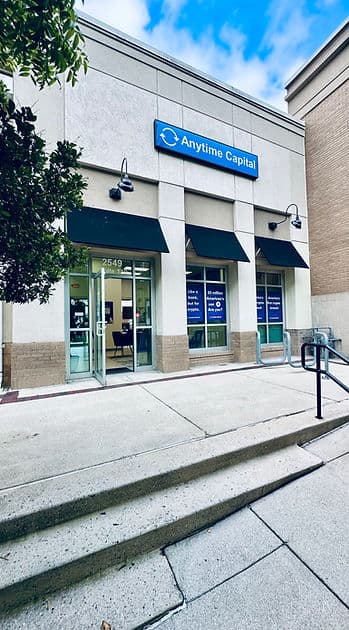
Anytime Capital also takes cash, which is why the comparison is worth making. It is a U.S. money services business that sells to customers worldwide, with a storefront on Piedmont Road in Atlanta where you can hand cash across a desk, a cash-by-mail option from anywhere in the country, a phone number that reaches a person, and a non-custodial wallet so the coins are yours when the order settles. It also takes cards, ACH, wire, Cash App, Apple Pay and Google Pay, which Coinme mostly does not.

 Our pick

.svg)
.svg)
.svg)
.svg)
.svg)
.svg)
.svg)
.svg)
.svg)
.svg)
.svg)
.svg)
.svg)
.svg)
.svg)
.svg)
.svg)
.svg)





.svg)
.svg)
.svg)
.svg)
.svg)
.svg)
.svg)
.svg)
.svg)
.svg)
.svg)
.svg)
.svg)
.svg)
.svg)
.svg)
.svg)
.svg)