Your staff already ask for ID
The step other retailers find awkward is muscle memory here. That removes most of the friction from a first-time onboarding.
Smoke and vape shops skew young, cash-heavy and repeat — the three characteristics that correlate most strongly with crypto buying. Adding it to the counter costs nothing and asks for no space.
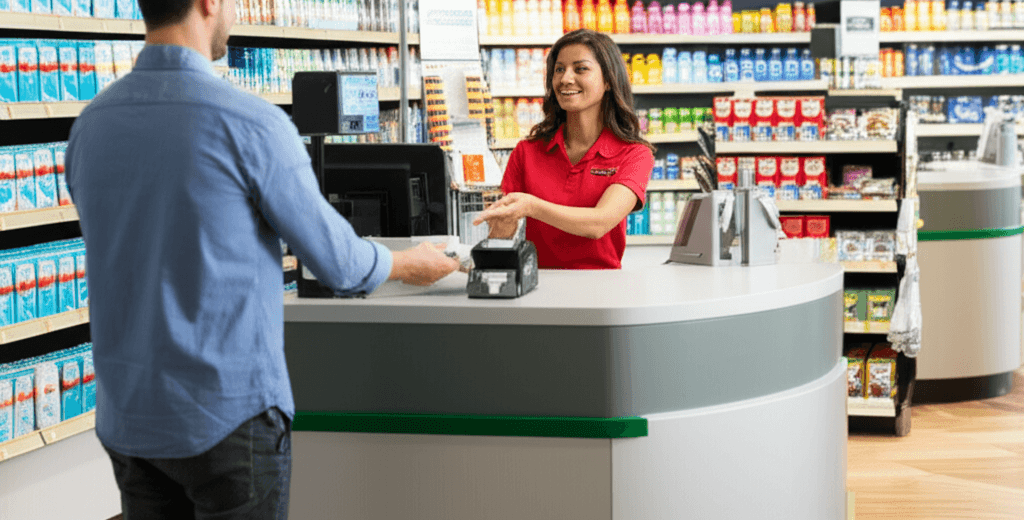
$120.00
Bitcoin · a regular's weekly buy
Retail crypto buying skews toward younger adults who transact in cash and visit the same handful of stores repeatedly. That is a fairly precise description of a smoke shop's customer base, which is why kiosk operators have targeted the category so heavily.
The other reason is that smoke shops already run a counter designed around identification. Staff check ID as a matter of routine, so the single step most stores find unfamiliar — asking a customer for a document before serving them — is something your team does dozens of times a day without thinking about it.
The average order tends to be smaller than in a check cashing store and the frequency higher. That trade works out well, because the customers come back and the verification only happens once.
Why it fits
Every store type in this program runs the same platform. What changes is the customer, the ticket size and the objection — so this is the part written for you rather than for everybody.
The step other retailers find awkward is muscle memory here. That removes most of the friction from a first-time onboarding.
Smoke shop regulars come back weekly. Once they are verified, every subsequent order takes under a minute.
A category that still runs heavily on cash is a category where a cash-paid crypto order does not feel unusual to anybody.
Nothing to put in a case, nothing to lock up and nothing that walks out of the store.
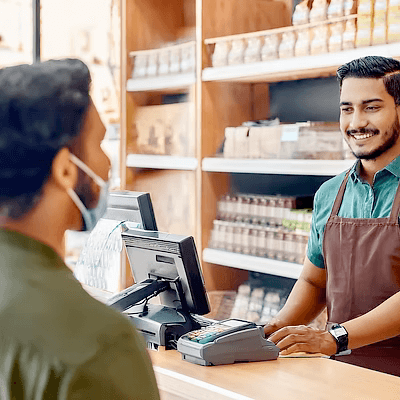
Getting started
Where the store is, what it already offers, and what your foot traffic looks like. We tell you straight away whether we can serve your market.
Entity documents, ownership and any licences your store already holds. Days, not months.
One session per employee. No crypto knowledge required — the order screen is shorter than a money order form.
Logins switched on, revenue share accruing on every order your staff place.
The arithmetic
You keep a share of every order. Bigger order, bigger share. The examples below use 1% to 3% — your own rate is in your agreement.
| At the counter | Order size | Store keeps (low) | Store keeps (high) |
|---|---|---|---|
| A customer cashes a check and puts part of it into Bitcoin | $200 | $2.00 | $6.00 |
| A regular buys USDT to send to family overseas | $500 | $5.00 | $15.00 |
| A customer sells crypto and takes the cash | $1,000 | $10.00 | $30.00 |
| A small business owner buys on payday, every other week | $2,500 | $25.00 | $75.00 |
| One larger order, the kind an ATM's daily cap refuses | $10,000 | $100.00 | $300.00 |
The figures above are worked examples, not projected or guaranteed earnings. They show how the arithmetic works on a given order size at an illustrative revenue-share range. Your actual rate is set in your agent agreement, and what any individual store earns depends on its foot traffic, its neighbourhood, its hours and how many customers it serves. Anytime Capital does not promise any level of income.
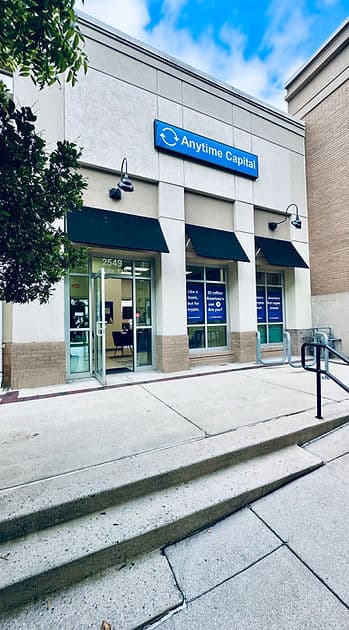

Anytime Capital runs its own branches in Atlanta and Miami. Partner stores run the same counter service.
The typical smoke shop crypto order is smaller than in a check cashing store — often one to three hundred dollars rather than several hundred. Because the store's revenue is a percentage, that means the per-order figure is lower.
What compensates is frequency. A customer who buys a little every week generates far more annual revenue than a one-off larger buyer, and the verification cost is paid once.
The practical implication is that the product rewards consistency at the counter. Stores that mention it to every regular for a month build a base that keeps producing.
One thing worth being explicit about with staff: crypto orders are never a way to settle anything else in the store, and the platform is not a payment method for your own merchandise. It is a separate transaction with its own identification, its own record and its own price.
Staff are trained on this and support is available around the clock, but in a category that already lives with careful age and product rules it is worth stating plainly.
The same rule as every regulated product on your counter applies to the advice question too: your staff serve the transaction, they do not tell a customer what to buy.
Keep reading
The numbers, the rules and the alternative you have probably been offered.
The demographic that buys retail crypto — younger, cash-paying, frequent visitors to a small number of stores — overlaps heavily with a smoke shop customer base. It is why kiosk operators target the category so hard.
They are smaller on average than a check casher's, but the frequency is higher and the verification only happens once. Annual revenue per customer is what matters, not the size of the first order.
It is a separate service and does not change the licences your store already holds or their obligations. What applies to your specific state and business type is confirmed during onboarding.
No. This program is for customers buying and selling crypto as its own transaction. Accepting crypto as payment for your merchandise is a different product entirely.
Not to act as a serving location for Anytime Capital's platform. Anytime Capital is the registered money services business and carries the compliance programme for the activity. What applies to your specific store and state is confirmed during onboarding, and nothing here is legal advice.
A share of each order, set in your agent agreement. Because crypto is priced as a percentage of the order rather than a flat fee, the revenue moves with the ticket. The earnings page works the arithmetic through at five order sizes.
Tell us where the store is and what your customers keep asking for. We will tell you what we can offer at your location.