Nationwide, market by market
The retail crypto counter is a local business. The neighbourhoods, the store formats, the corridors and the language behind the counter all change from one metro to the next. So these pages are written per market, not as one national page with a city name swapped in.
- Twenty-four US metros
- Neighbourhood-level detail
- Corridors and languages per market
- Availability confirmed per location
$500.00
Bitcoin · paid in cash at the counter
- CustomerVerified · 71 sec
- Buying0.00421 BTC
Why the market matters more than the state
Store owners ask a local question — is this available here, do stores like mine do it here, who would my customers be. A national page cannot answer any of that honestly, because the answer changes between Hialeah and Hickory Hill.
Each city page below sets out where the relevant counters actually cluster, which store formats dominate that market's cash economy, where its households send money, and which languages a counter realistically serves in. Where a market has something genuinely specific — a branch we operate, a state regime that changes the answer, a workforce paid in cash every night — that is on the page too.
Availability is confirmed per location during onboarding in every market. Where a state's rules materially change the answer, the page says so rather than leaving it to be discovered later.
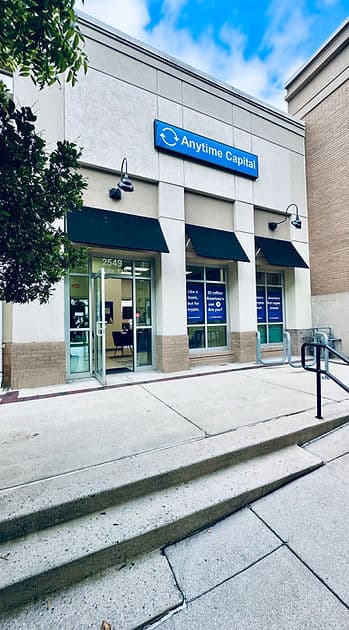

Anytime Capital runs its own branches in Atlanta and Miami. Partner stores run the same counter service.
Pick a market
Twenty-four US metros
Neighbourhoods, store formats, corridors and languages for each.
Frequently Asked Questions
My city is not listed. Does that mean you do not serve it?
No. These are the twenty-four metros with the deepest concentration of the store formats this program serves, not the whole footprint. Availability is confirmed per location wherever your store is.
Is the program available in every state?
Money transmission and virtual currency activity are regulated at both federal and state level, and the state picture is not uniform. What applies to your specific store is confirmed during onboarding rather than promised on a marketing page.
Does Anytime Capital have physical locations?
Yes — branches in Atlanta, Miami and Houston. Store owners in those cities are welcome to meet the retail team in person rather than doing the whole conversation remotely.
Which markets have the strongest demand?
The ones where cash-paid households, existing money services traffic and remittance corridors overlap. Miami-Dade is the densest example in the country; Los Angeles, Houston, the New York metro and North Jersey are close behind.
Find your market, then tell us about your store
We will tell you what we can offer at your location, in your state, for your kind of business.