Polkadot · DOT
Polkadot for business: shared security, many chains
Polkadot's model is a network of specialized blockchains renting security from one shared core — with DOT as the asset that provides it. Treasuries hold DOT for the staking economics and the interoperability thesis.
.svg)
Polkadot, created by Ethereum co-founder Gavin Wood's Web3 Foundation, is built around one idea: many purpose-built blockchains (parachains) sharing the security of a central relay chain instead of each bootstrapping its own. Applications get sovereignty over their own chain's design while inheriting validator security they could never afford alone.
DOT is the coordination asset of that system — staked to secure the relay chain, used in governance, and central to how parachains obtain their slots. Its staking participation is among the highest of any major network, with native, non-custodial staking a first-class feature.
Why businesses hold DOT
The staking economics lead: DOT's native staking offers meaningful network rewards while assets remain under the holder's control — a productive-treasury profile similar to ADA's, attractive to businesses that want their crypto position doing work. Governance rights come with it, which matters to companies building in the ecosystem.
The thesis case is interoperability: if the future is many specialized chains rather than one winner, Polkadot's shared-security model is a direct claim on that architecture. As a long-tenured large-cap, DOT carries the liquidity to enter and exit business-size positions at firm desk quotes.
How businesses use DOT
Productive staking treasury
Hold DOT and stake natively for network rewards while retaining custody — a working position rather than idle inventory.
Ecosystem builders
Teams building parachain or Substrate-based products hold DOT for governance and platform alignment.
Interoperability-thesis exposure
A treasury position on the multi-chain architecture bet, executed at firm desk quotes with same-day exit liquidity.
One business account
Hold DOT in the company's name
Your Polkadot position sits in an account titled to your legal entity, with statements and settlement to match — bought at desk-quoted prices, custodied where your policy says, and convertible to dollars the day you decide.
- Entity-titled accounts, approved same day for most businesses
- Free non-custodial wallet — the company holds its own keys
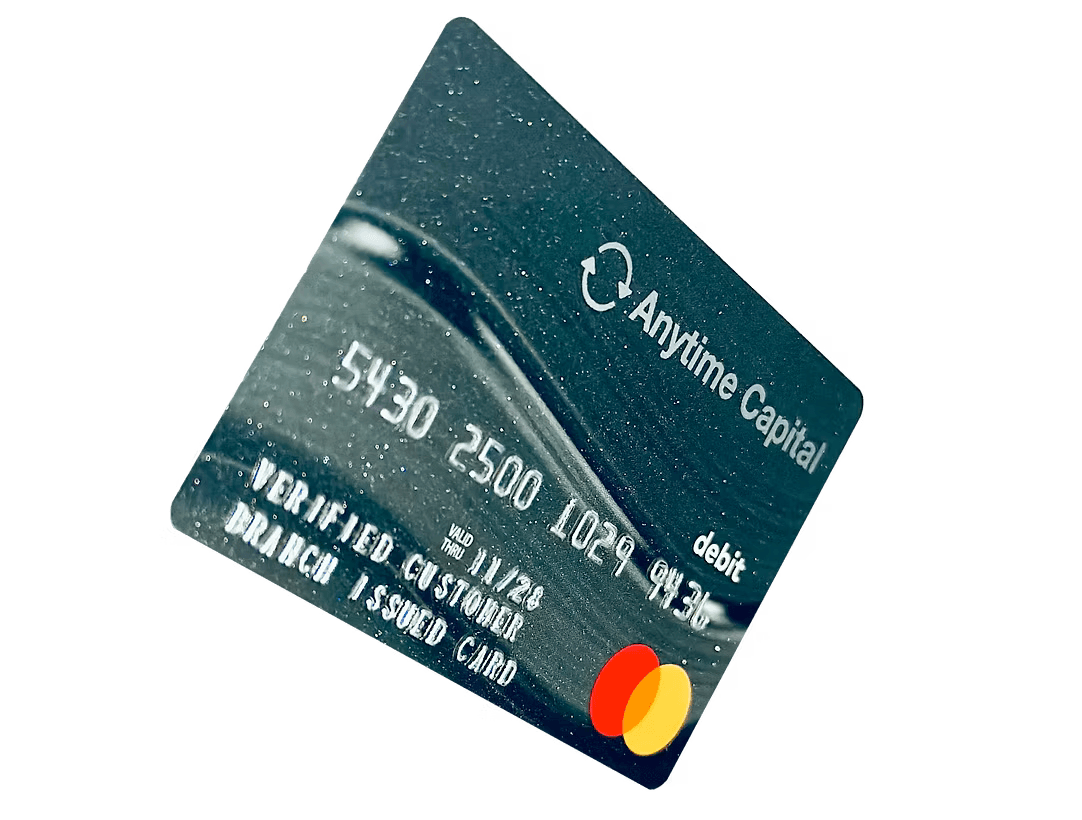
- Business Mastercard® debit cards for spending balances
Payment rails
Move money around your DOT position
Fund Polkadot purchases by business wire or card, and settle sales back to USD the same day — with branch service for the workflows that need it.
Money in — buy crypto
- Business wire (Fedwire)Bank-to-bank funding at any size — the rail for serious purchases.
- Debit & credit cardsBusiness cards accepted for fast, smaller buys — minutes to position.
- Cash at a branchHandled in person, compliantly, at our Atlanta and Miami offices.
Money out — off-ramp to USD
- Same-day ACH, Fedwire & RTPDollars in your operating account the day you sell — RTP can post in minutes.
- Cashier's checkBank-issued paper for closings, escrow, and counterparties who want it.
- Cash at a branchIn-person cash service with standard ID and reporting, at our branches.
Business Mastercard® debit cards are also available for spending from your account. About business cards →
Polkadot for business — FAQ
What problem does Polkadot actually solve?
Security bootstrapping. New chains normally have to recruit their own validators; Polkadot lets specialized chains share one strong validator set, making purpose-built blockchains economically viable.
Can our business stake DOT without a custodian?
Yes — staking is native to the protocol and non-custodial. Rewards accrue while the position stays in company-controlled custody.
Is DOT liquid enough for corporate size?
Yes. DOT is a long-standing large-cap; the desk quotes blocks both directions with same-day USD settlement.
How do we unwind to dollars?
Desk quote, then same-day settlement by Fedwire, RTP, or ACH — the standard off-ramp for every asset here.
Put DOT to work
.svg)
.svg)
.svg)
.svg)
.svg)
.svg)
.svg)
.svg)
.svg)
.svg)
.svg)
.svg)
Add Polkadot to your company's balance sheet
Open a business account — most are approved the same day — and buy DOT by wire or card with desk execution behind it.
Important Disclosures
- Cryptocurrencies and stablecoins are not FDIC-insured deposits, are not bank guaranteed, and can involve risk, including possible loss of value.
- Cryptocurrency transactions are irreversible once confirmed. Verify all details before sending.
- Business verification (KYB) is required to open an account; approval timing depends on the completeness of your application and the complexity of your entity structure.
- Settlement timing depends on payment method, banking cutoffs, and your bank's participation in the relevant network. Same-day settlement is available for transactions confirmed within banking-hour windows.
- Third-party company, platform, and fund names are referenced for identification and description only; no affiliation, sponsorship, or endorsement is implied. All trademarks belong to their owners.
- Anytime Capital is a licensed money services business. Information on this page is educational and is not financial, legal, or tax advice.