Ethereum · ETH
Ethereum for business: the asset behind the rails you already use
If your company touches stablecoins, tokenized assets, or anything on-chain, you are already an Ethereum user — USDC and USDT ride its rails. Holding ETH itself is how businesses hold the network's native asset and pay its tolls.
.svg)
Ethereum is the settlement layer of on-chain finance: the chain where the largest stablecoin balances live, where tokenized treasuries issue, and where most institutional on-chain activity clears. ETH is that network's fuel and its native asset — staked to secure the chain, spent as gas on every transaction, and held by institutions through ETFs since 2024.
For a business, that dual nature matters. ETH is both a strategic holding — exposure to the platform on which digital-dollar commerce runs — and a working inventory item, because a company transacting on Ethereum needs ETH for gas the way a trucking company needs diesel.
Why businesses hold ETH
The operational case comes first for most: any company sending ERC-20 stablecoin payments — vendor settlement, contractor payouts, customer refunds — pays gas in ETH. Keeping a working ETH balance is basic hygiene, and buying it at desk-quoted prices in the entity's name beats a founder topping up from a personal account every month-end.
The strategic case is a step further: ETH as exposure to the network itself, held the way you'd hold equity in critical infrastructure. Staking yields, ETF accessibility, and the chain's role beneath tokenized finance have made measured ETH allocations a normal treasury conversation. We execute either thesis with the same discipline — firm quotes in, same-day dollars out.
How businesses use ETH
Gas inventory for stablecoin operations
Companies paying vendors in ERC-20 USDC keep an ETH float for transaction fees — purchased through the account, tracked like any operating supply.
Strategic network exposure
A measured treasury allocation to the asset underneath tokenized finance, executed at firm desk quotes and custodied in a company-controlled smart wallet.
Accepting ETH from customers
Crypto-native clients often prefer paying in ETH. Receive it to the entity's account and convert to USD the same day — or hold it as policy allows.
One business account
Hold ETH in the company's name
Your Ethereum position sits in an account titled to your legal entity, with statements and settlement to match — bought at desk-quoted prices, custodied where your policy says, and convertible to dollars the day you decide.
- Entity-titled accounts, approved same day for most businesses
- Free non-custodial wallet — the company holds its own keys
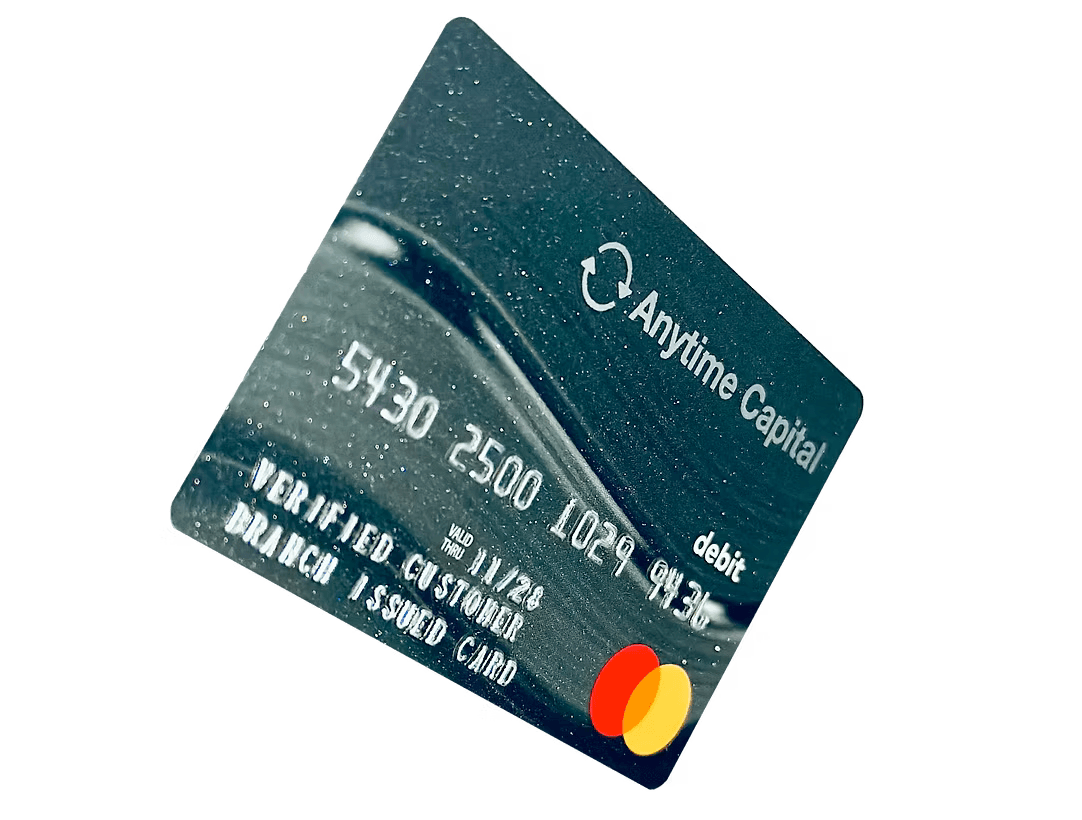
- Business Mastercard® debit cards for spending balances
Payment rails
Move money around your ETH position
Fund Ethereum purchases by business wire or card, and settle sales back to USD the same day — with branch service for the workflows that need it.
Money in — buy crypto
- Business wire (Fedwire)Bank-to-bank funding at any size — the rail for serious purchases.
- Debit & credit cardsBusiness cards accepted for fast, smaller buys — minutes to position.
- Cash at a branchHandled in person, compliantly, at our Atlanta and Miami offices.
Money out — off-ramp to USD
- Same-day ACH, Fedwire & RTPDollars in your operating account the day you sell — RTP can post in minutes.
- Cashier's checkBank-issued paper for closings, escrow, and counterparties who want it.
- Cash at a branchIn-person cash service with standard ID and reporting, at our branches.
Business Mastercard® debit cards are also available for spending from your account. About business cards →
Ethereum for business — FAQ
Why would a non-crypto business need ETH at all?
Gas. Any payment your company sends on Ethereum — including USDC and USDT transfers — costs a network fee paid in ETH. Businesses using stablecoin rails keep a small ETH balance the way they keep postage.
Can we buy ETH by business wire?
Yes — wire from your business bank, then execute at a quoted price. Cards work for smaller top-ups. Most accounts are approved the same day, so the whole setup can happen this week.
Does the company control its own ETH wallet?
Yes. The free non-custodial smart wallet supports ETH and ERC-20 tokens, with the company holding the keys. Use the desk for execution and the wallet for custody.
How do we get from ETH back to operating dollars?
Sell at a desk quote and settle same day by Fedwire, RTP, or ACH. For workflows ending off the banking rails, cashier's checks and branch cash service are available in Atlanta and Miami.
Put ETH to work
.svg)
.svg)
.svg)
.svg)
.svg)
.svg)
.svg)
.svg)
.svg)
.svg)
.svg)
.svg)
Add Ethereum to your company's balance sheet
Open a business account — most are approved the same day — and buy ETH by wire or card with desk execution behind it.
Important Disclosures
- Cryptocurrencies and stablecoins are not FDIC-insured deposits, are not bank guaranteed, and can involve risk, including possible loss of value.
- Cryptocurrency transactions are irreversible once confirmed. Verify all details before sending.
- Business verification (KYB) is required to open an account; approval timing depends on the completeness of your application and the complexity of your entity structure.
- Settlement timing depends on payment method, banking cutoffs, and your bank's participation in the relevant network. Same-day settlement is available for transactions confirmed within banking-hour windows.
- Third-party company, platform, and fund names are referenced for identification and description only; no affiliation, sponsorship, or endorsement is implied. All trademarks belong to their owners.
- Anytime Capital is a licensed money services business. Information on this page is educational and is not financial, legal, or tax advice.